
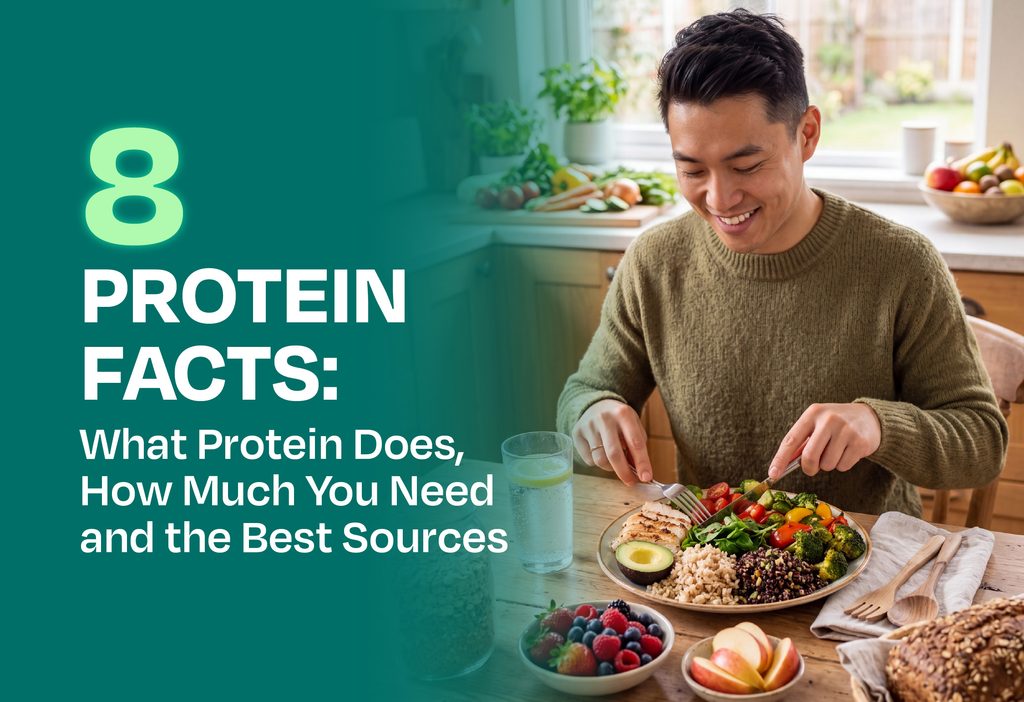
When people hear the word protein, they often think of gym workouts, protein shakes, bodybuilding, or athletes. But protein is much more than a “muscle-building nutrient.” It is an essential part of a healthy diet and plays an important role in almost every function of your body.
From supporting muscles and repairing tissues to helping you feel full after meals, protein has an important place in everyday nutrition. Whether your goal is to lose weight, maintain your current weight, become stronger, improve your fitness, or simply eat a healthier diet, getting enough protein can make a meaningful difference.
But how much protein do you actually need? And do you need protein supplements to get enough?
Let’s break it down.
What Is Protein?
Protein is one of the three major macronutrients, along with carbohydrates and fats. Your body needs all three to function properly.
Protein is made up of smaller compounds called amino acids. Your body uses these amino acids to build and repair tissues and to produce important substances such as enzymes, hormones, and antibodies.
Some amino acids can be produced by your body, while others—known as essential amino acids—must come from the food you eat.
This is why consuming a variety of protein-rich foods is an important part of a balanced diet.
Why Does Your Body Need Protein?
Protein performs many important functions in the body. Here are some of the most important ones.
1. Protein Helps Build and Maintain Muscle
One of protein’s best-known roles is supporting muscle.
Your muscles are constantly undergoing a process of breakdown and repair. Physical activity, particularly resistance training and other forms of exercise, increases the demand for muscle repair and adaptation.
Adequate protein provides the amino acids your body needs to maintain and build muscle tissue.
This doesn’t mean that eating more and more protein will automatically make you muscular. Muscle development also depends on factors such as exercise, total calorie intake, sleep, recovery, and overall nutrition.
But if you regularly exercise and don’t consume enough protein, it can become more difficult to support your body’s recovery and maintain muscle mass.
2. Protein Supports Recovery After Exercise
Exercise places stress on your muscles.
After a workout, your body begins repairing and adapting to that stress. Protein provides the building blocks required for this process.
This is particularly relevant if you regularly participate in strength training, yoga, Pilates, running, sports, or other physical activities.
A protein-containing meal or snack after exercise can be a convenient way to contribute to your daily protein intake.
However, you don’t necessarily need to drink a protein shake immediately after every workout. Your total protein intake throughout the day matters more than obsessing over a very small post-workout window.
3. Protein Can Help You Feel Fuller
If you often feel hungry shortly after eating, the composition of your meals may be worth looking at.
Protein tends to be more filling than many other foods and can help you feel satisfied after meals. Including a good protein source in your breakfast, lunch, and dinner may help reduce the tendency to constantly reach for snacks.
For example, compare these two breakfasts:
Breakfast A: Tea and biscuits
Breakfast B: Vegetable omelette with curd and a piece of fruit
The second meal contains substantially more protein and also provides other nutrients that can contribute to a more satisfying meal.
This doesn’t mean biscuits are “bad.” It simply shows why building balanced meals can be useful when you’re trying to manage hunger.
4. Protein Helps Maintain Muscle During Weight Loss
When people try to lose weight, they often focus entirely on the number on the weighing scale.
But healthy weight management isn’t simply about losing as much weight as possible. Ideally, you want to reduce excess body fat while preserving as much lean tissue as possible.
Adequate protein, combined with appropriate physical activity—particularly resistance training—can support the maintenance of muscle while you’re losing weight.
This is one reason protein is particularly important when following a calorie-controlled diet.
5. Protein Is Important for Tissues and Body Functions
Protein isn’t only about muscles.
Your body uses protein to help create and maintain skin, hair, nails, organs, connective tissues, enzymes, hormones, and antibodies.
In other words, protein is involved in far more than what you see happening in the gym.
A diet that provides adequate protein contributes to the overall nutritional foundation your body needs to function properly.
How Much Protein Do You Need?
This is where things become more individual.
There isn’t one perfect protein target that applies to every person.
Your protein requirements can vary depending on your:
- Age
- Body size
- Physical activity
- Fitness goals
- Overall diet
- Life stage
- Health circumstances
For a generally healthy adult, the basic protein requirement is commonly estimated at around 0.8 grams of protein per kilogram of body weight per day.
For example, a person weighing 60 kg would have a basic reference intake of approximately:
60 × 0.8 = 48 grams of protein per day
However, this is a general reference level and isn’t necessarily the ideal target for someone who exercises regularly or has a specific body-composition goal.
People who are physically active, especially those doing regular resistance training, may benefit from a higher protein intake.
A commonly used range for active adults is approximately 1.2–2.0 grams per kilogram of body weight per day, depending on factors such as training and goals.
For example, someone weighing 60 kg might fall somewhere around:
- 1.2 g/kg → 72 g/day
- 1.5 g/kg → 90 g/day
- 1.8 g/kg → 108 g/day
These numbers illustrate why protein needs shouldn’t be approached with a “one size fits all” mindset.
If you have a medical condition, are pregnant or breastfeeding, have kidney disease, or have been advised by a healthcare professional to follow a specific diet, your protein requirements should be discussed with a qualified healthcare professional.
How Much Protein Should You Eat at Each Meal?
Your daily total is important, but spreading protein throughout the day can also be a practical approach.
Instead of eating almost all your protein at dinner, try including a protein source in each major meal.
For example:
Breakfast: Eggs, Greek yogurt/curd, paneer, milk, or a suitable plant-based protein source
Lunch: Dal, beans, chickpeas, paneer, tofu, chicken, fish, or another protein-rich food
Snack: Curd, milk, roasted chana, sprouts, eggs, or another suitable option
Dinner: Dal, paneer, tofu, fish, chicken, beans, or another protein source
The exact amounts will depend on your individual protein target and dietary preferences.
Best Sources of Protein
You don’t have to depend on protein powder to meet your protein needs.
There are plenty of nutritious protein-rich foods available.
Animal-Based Protein Sources
For people who eat animal products, options include:
- Eggs
- Chicken
- Fish
- Lean meat
- Milk
- Curd
- Greek yogurt
- Cottage cheese and other dairy products
Many of these foods also provide additional nutrients such as calcium, iron, vitamin B12, and other vitamins and minerals.
Vegetarian Protein Sources
For vegetarians, there are many excellent options too:
- Dal
- Rajma
- Chana
- Chickpeas
- Paneer
- Curd
- Milk
- Soybeans
- Tofu
- Tempeh
- Peas
- Nuts and seeds
Traditional Indian meals can provide plenty of protein when they are planned thoughtfully.
For example, a meal containing dal, rice, vegetables, curd, and salad can be much more nutritionally balanced than simply thinking of rice as “carbs” and ignoring the protein contribution from the rest of the meal.
Plant-Based Protein Sources
People following a vegan diet can also obtain protein through foods such as:
- Tofu
- Tempeh
- Soybeans
- Lentils
- Chickpeas
- Beans
- Peas
- Nuts
- Seeds
- Certain whole grains
Eating a variety of plant foods throughout the day can help provide a broad range of amino acids and nutrients.
Do You Need Protein Powder?
This is one of the most common questions about protein.
The simple answer is: not necessarily.
Protein powder is a supplement, not a requirement for being fit.
If you can comfortably meet your protein needs through regular food, there may be no reason to use a protein supplement.
However, protein powder can be convenient for some people.
For example, someone who has a busy schedule or struggles to consume enough protein from regular meals may find a protein shake useful.
Think of protein powder as a convenience tool, rather than a magic fitness product.
And remember: drinking a protein shake won’t compensate for an overall diet that lacks vegetables, fruits, whole grains, healthy fats, and other essential nutrients.
Common Protein Mistakes to Avoid
Mistake 1: Thinking More Protein Is Always Better
More isn’t automatically better.
Your body has nutritional requirements, and extremely high protein intake isn’t necessary for most people.
The goal should be adequate protein, not simply consuming the maximum amount possible.
Mistake 2: Getting Protein Only at Dinner
If your breakfast contains very little protein and lunch isn’t much better, eating a large amount of protein at dinner doesn’t necessarily make your overall diet ideal.
Try distributing protein across your meals.
Mistake 3: Ignoring Total Diet Quality
A diet shouldn’t become all about protein.
Your body also needs carbohydrates, healthy fats, fibre, vitamins, minerals, and adequate fluids.
A balanced diet is more important than chasing a single nutrient.
Mistake 4: Believing Protein Powder Is Essential
Protein supplements can be useful, but they’re optional.
Real foods should remain an important part of your overall diet.
Mistake 5: Following Someone Else’s Protein Target
Your friend’s protein requirement may not be the right target for you.
Body weight, activity level, goals, age, dietary pattern, and individual circumstances all matter.
A Simple Way to Increase Your Protein Intake
You don’t need to completely change your diet overnight.
Instead, start by asking yourself one question at every major meal:
“What is my protein source?”
For breakfast, perhaps it’s eggs or curd.
For lunch, it could be dal, paneer, tofu, beans, chicken, or fish.
For your evening snack, it could be roasted chana or yogurt.
For dinner, it could be dal, tofu, paneer, eggs, fish, or another protein-rich food.
Small changes repeated consistently can make a much bigger difference than following complicated diet rules for a few days.
The Bottom Line
Protein is an essential nutrient that supports much more than muscle growth. It contributes to muscle maintenance, exercise recovery, tissue repair, satiety, and many important processes throughout the body.
The amount you need depends on your individual circumstances. While 0.8 g/kg/day is a commonly used basic reference for healthy adults, people who exercise regularly or have specific fitness goals may benefit from a higher intake.
Most importantly, you don’t need to make nutrition complicated.
Build balanced meals. Include a protein source regularly. Eat a variety of nutritious foods. Stay physically active. Get enough sleep. And focus on consistency rather than perfection.
At SwasthFitness, we believe healthy living isn’t about extreme diets or restrictive rules. It’s about creating sustainable habits that bring nutrition, fitness, and wellness together.
Because the goal isn’t simply to eat more protein.
The goal is to build a healthier lifestyle that you can actually maintain.