
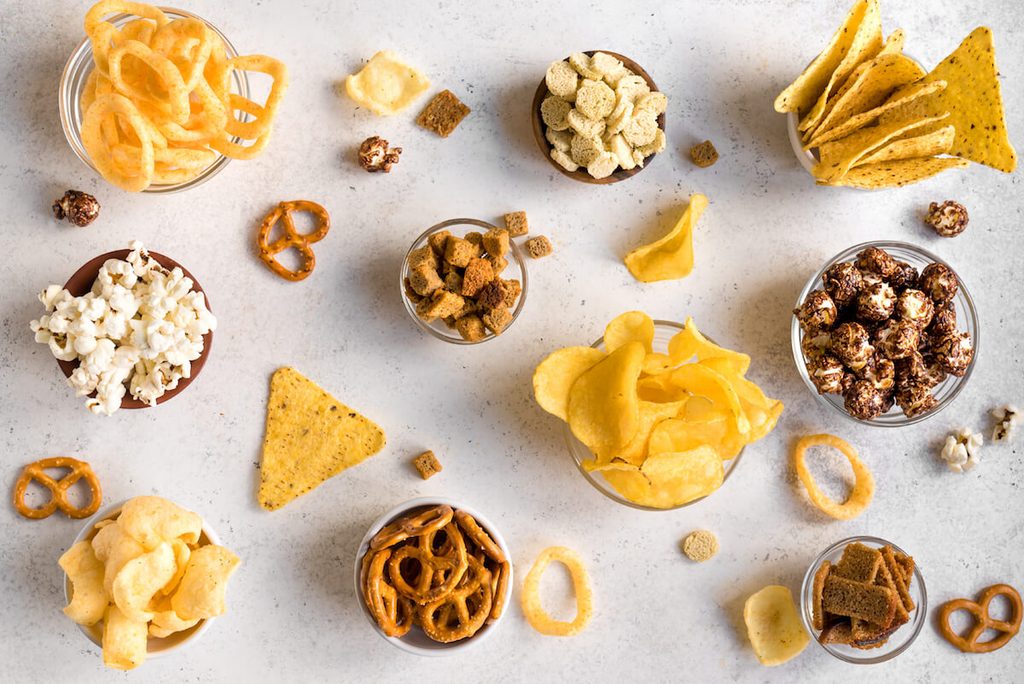
Do you find yourself reaching for something to eat even when you’re not really hungry?
Maybe you grab a few biscuits with your evening tea. Then you have a handful of namkeen while watching TV. Later, you find yourself looking for something sweet simply because it’s available.
You’re not alone.
Snacking is a normal part of eating. A snack can be useful when you’re genuinely hungry between meals or need something convenient before or after physical activity.
The problem is not snacking itself.
The problem can arise when you frequently eat without being physically hungry—because of boredom, stress, habits, cravings, distractions, or simply because food is easily available.
The good news is that you don’t need extreme restriction or willpower to change this habit.
Understanding why you snack is the first step toward managing it.
What Is Unnecessary Snacking?
Unnecessary snacking doesn’t necessarily mean eating “unhealthy” food.
You can eat a nutritious food unnecessarily if you’re not hungry and are simply eating out of habit.
For example, imagine you’re working at your desk and automatically eat a handful of nuts every hour even though you had a satisfying meal recently.
The food itself isn’t the problem.
The pattern is.
Unnecessary snacking often happens when we eat for reasons other than physical hunger.
Common triggers include:
- Boredom
- Stress
- Anxiety
- Habit
- Watching television
- Working at a desk
- Social situations
- Seeing or smelling food
- Eating because food is available
- Lack of sleep
- Restrictive dieting
- Long gaps between meals
- Emotional eating
The first question to ask isn’t:
“How do I stop snacking?”
Instead, ask:
“Why am I snacking?”
Hunger vs. Craving: What’s the Difference?
Learning to recognize the difference between physical hunger and a craving can be extremely helpful.
Physical Hunger
Physical hunger tends to develop gradually.
You may notice:
- Your stomach feels empty
- Your energy is decreasing
- You’re becoming hungry over time
- You would be comfortable eating a variety of foods
- Eating makes you feel satisfied
A Food Craving
A craving can be much more specific.
For example:
“I don’t want a meal, but I really want chocolate.”
You may suddenly feel like eating a particular food even though you recently ate.
Cravings aren’t necessarily bad. Everyone experiences them.
The goal isn’t to eliminate cravings completely.
Instead, learning to recognize them can help you decide whether you actually need food or whether something else is triggering the desire to eat.
1. Start With Satisfying Meals
One of the simplest ways to reduce unnecessary snacking is to make your main meals more satisfying.
If your breakfast is extremely small and low in protein and fibre, you may find yourself hungry again soon.
Instead, try building meals around a combination of:
- Protein
- Fibre-rich foods
- Vegetables and/or fruit
- Carbohydrates
- Healthy fats in appropriate amounts
For example, instead of having only tea and biscuits for breakfast, you could have eggs with roti and vegetables, or curd with oats and fruit, depending on your preferences and dietary needs.
A more balanced meal can help you stay satisfied for longer.
2. Include Protein in Your Meals
Protein is particularly useful when you’re trying to manage hunger.
Good options include:
- Eggs
- Curd
- Greek yogurt
- Paneer
- Tofu
- Dal
- Rajma
- Chana
- Chicken
- Fish
- Soy products
You don’t need to consume huge quantities.
Simply making sure that your meals contain a reasonable protein source can make them more balanced and satisfying.
For example:
Breakfast: Eggs + roti + vegetables
Lunch: Dal + rice + vegetables + curd
Snack: Curd or roasted chana
Dinner: Paneer/tofu/chicken/fish + vegetables + roti or another carbohydrate source
The exact quantities should depend on your individual nutritional needs.
3. Don’t Let Yourself Become Extremely Hungry
This might sound surprising, but trying to avoid food for too long can sometimes make unnecessary eating worse.
If you skip meals or drastically restrict your food intake, you may eventually become extremely hungry.
When that happens, it’s much harder to make thoughtful food choices.
You may find yourself eating quickly or reaching for highly palatable foods.
Instead of waiting until you’re starving, try maintaining a relatively consistent eating pattern that works for your lifestyle.
You don’t have to eat at exactly the same time every day.
The goal is simply to avoid creating a cycle of:
Restrict → become extremely hungry → overeat → feel guilty → restrict again.
A balanced approach is usually easier to maintain.
4. Keep Trigger Foods Less Accessible
Your environment has a powerful influence on your eating habits.
If biscuits, chips, chocolates, and sweets are always sitting directly in front of you, you’re more likely to eat them without thinking.
This doesn’t mean you need to ban these foods from your home.
Instead, make them less visible and less convenient.
For example:
- Don’t keep snacks directly beside your computer.
- Store packaged snacks in a cupboard rather than on the kitchen counter.
- Avoid keeping large open packets within easy reach.
- Put healthier options where you can easily see them.
- Portion snacks into a bowl instead of eating directly from the packet.
These small environmental changes can reduce mindless eating without requiring constant self-control.
5. Avoid Eating Directly From the Packet
This is a surprisingly simple strategy.
When you eat directly from a packet, it’s difficult to notice how much you’ve consumed.
Instead, take the portion you want and put it into a bowl or plate.
Then put the packet away.
This creates a natural stopping point.
It also gives you an opportunity to actually see and enjoy what you’re eating.
Remember:
Portion control doesn’t mean never eating your favourite foods.
It means becoming more aware of how much you’re eating.
6. Don’t Eat While Distracted
Have you ever watched a movie and suddenly realized you’ve finished an entire packet of snacks?
Distractions can make it difficult to notice hunger and fullness cues.
When you’re focused on a screen, conversation, work, or scrolling through social media, you may pay less attention to the food you’re eating.
Try making at least some meals and snacks more mindful.
Put the phone away.
Sit down.
Eat slowly.
Notice the taste and texture.
Give yourself time to recognize when you’ve had enough.
You don’t need to make every meal perfectly mindful.
Even making a few meals each day more intentional can help.
7. Identify Your Snacking Triggers
For a few days, pay attention to when and why you snack.
You don’t need to obsessively track every calorie.
Instead, notice the pattern.
Ask yourself:
When do I usually snack?
Morning? Afternoon? Late at night?
What am I usually doing?
Working? Watching TV? Studying? Scrolling?
How am I feeling?
Hungry? Bored? Stressed? Tired?
What am I craving?
Something salty? Sweet? Crunchy?
You may discover that your snacking isn’t really about hunger.
Perhaps you always eat something sweet when you’re stressed at work.
Or perhaps you snack every evening because watching television has become associated with eating.
Once you identify the trigger, you can work on changing the routine.
8. Find Alternatives to Emotional Eating
Food can provide temporary comfort.
When you’re stressed, upset, bored, or tired, reaching for something delicious can feel rewarding.
There’s nothing wrong with enjoying food.
But if eating has become your primary way of coping with difficult emotions, it may be useful to develop other strategies too.
Depending on the situation, you could try:
- Going for a short walk
- Listening to music
- Calling a friend
- Practising breathing exercises
- Taking a shower
- Reading
- Journaling
- Doing a short stretching routine
- Stepping outside for some fresh air
- Simply taking a few minutes away from your current task
These activities don’t have to replace food completely.
The goal is to give yourself more than one way to respond to emotions.
9. Get Enough Sleep
Sleep and eating habits are closely connected.
When you’re tired, managing hunger and food choices can become more difficult.
Poor sleep can influence appetite and may increase the desire for highly palatable foods.
If you regularly stay up late and find yourself reaching for snacks at night, consider whether fatigue is part of the pattern.
Instead of automatically reaching for another snack, ask:
“Am I actually hungry, or am I exhausted?”
Sometimes the better solution is simply getting some sleep.
10. Stay Hydrated
Thirst and hunger can sometimes feel similar.
This doesn’t mean that drinking water will magically eliminate hunger.
If you’re genuinely hungry, you should eat.
But maintaining adequate hydration throughout the day is still an important part of healthy nutrition.
Keep water easily available and drink regularly according to your body’s needs.
You can also include hydrating foods such as fruits and vegetables as part of a balanced diet.
11. Be Careful With Liquid Calories
Some drinks can contribute significant amounts of energy without providing the same level of fullness as a solid meal.
Examples can include:
- Sugary soft drinks
- Sweetened coffee
- Sugary tea
- Milkshakes
- Sweetened beverages
- Some packaged drinks
You don’t necessarily have to eliminate them completely.
But if you’re frequently consuming high-calorie drinks between meals, they may be contributing more energy to your diet than you realize.
Water, unsweetened tea, or other lower-calorie options can be useful alternatives depending on your preferences.
12. Plan Your Snacks Instead of Grazing
Snacking doesn’t have to be random.
If you know that you’re usually hungry between lunch and dinner, planning a snack can actually make your diet easier to manage.
For example, you might choose:
- Fruit + curd
- Roasted chana
- Curd or Greek yogurt
- An egg
- Fruit + a small portion of nuts
- Sprouts
- A suitable homemade snack
The goal isn’t to create a strict list of “allowed” foods.
It’s simply to make your choices more intentional.
13. Don’t Label Foods as “Forbidden”
Completely banning your favourite foods can sometimes make you want them even more.
If you tell yourself:
“I can never eat chocolate again.”
You may eventually feel deprived and end up overeating it.
Instead, allow flexibility.
You can enjoy treats occasionally while still following an overall balanced diet.
A healthy lifestyle doesn’t require perfection.
It requires consistency.
14. Slow Down When You Eat
It takes time for your body to process the experience of eating and for feelings of fullness to develop.
Eating very quickly can make it easier to consume more food before you notice that you’ve had enough.
Try slowing down.
Put your fork or spoon down occasionally.
Take smaller bites.
Chew properly.
Enjoy the meal.
You don’t need to turn eating into a meditation session.
Just give yourself enough time to actually experience your food.
What If You Are Actually Hungry?
This is important:
Don’t automatically treat every desire to eat as a problem.
If you’re genuinely hungry, your body may be telling you that it needs food.
You don’t have to suppress hunger simply because you’re trying to lose weight.
Instead, choose a satisfying and nutritious option.
For example, if you’re hungry in the afternoon, having curd and fruit may be much more useful than trying to ignore your hunger until dinner and then becoming extremely hungry.
Healthy eating isn’t about eating as little as possible.
It’s about eating appropriately for your body’s needs.
What About Late-Night Snacking?
Late-night eating is a common concern.
But eating at night isn’t automatically responsible for weight gain.
Your overall food intake and dietary pattern matter more than an arbitrary time on the clock.
However, late-night snacking can become an issue if you’re routinely eating large amounts of food while watching TV, scrolling on your phone, or staying awake simply because food is available.
If you’re genuinely hungry, you don’t need to fear eating at night.
But if you’re eating out of boredom or habit, try changing the routine.
For example:
Old routine:
TV → snacks → more snacks → bedtime
New routine:
Dinner → relaxing activity → herbal tea/water if desired → bedtime
The goal is to change the habit gradually rather than trying to rely on willpower every night.
What If You Overeat?
It happens.
One evening of overeating doesn’t destroy your progress.
The worst response is often to punish yourself the next day by starving yourself or exercising excessively.
Instead:
- Acknowledge what happened.
- Think about what triggered it.
- Return to your normal eating routine.
- Eat balanced meals.
- Stay active normally.
- Move forward.
Avoid the cycle of:
Overeat → guilt → extreme restriction → intense hunger → overeating again.
Progress comes from what you do consistently—not from having a perfect day every day.
A Simple 5-Step Strategy to Control Unnecessary Snacking
When you feel like reaching for a snack, try this:
Step 1: Pause
Don’t immediately reach for the food.
Give yourself a moment.
Step 2: Ask
“Am I physically hungry?”
If yes, eat.
If no, continue to the next step.
Step 3: Identify the trigger
Are you:
- Bored?
- Stressed?
- Tired?
- Watching TV?
- Working?
- Simply seeing food?
Step 4: Choose your response
If you’re bored, try another activity.
If you’re stressed, take a short break.
If you’re tired, consider resting.
If you’re genuinely hungry, have a satisfying snack.
Step 5: Move on without guilt
There is no need to feel guilty for eating.
The goal is awareness, not perfection.
The Bottom Line
Snacking isn’t inherently bad.
A nutritious snack can absolutely be part of a healthy diet.
The challenge is mindless or unnecessary snacking—eating when you’re not physically hungry because of boredom, stress, habits, distractions, or easy access to food.
The most effective solution isn’t extreme restriction.
Instead:
Build satisfying meals.
Include enough protein and fibre.
Understand your triggers.
Make your environment work for you.
Eat more mindfully.
Sleep well.
Stay hydrated.
And don’t punish yourself when things don’t go perfectly.
At SwasthFitness, we believe healthy eating shouldn’t feel like a constant battle against food. The goal is to understand your body, develop better habits, and create a lifestyle that you can maintain for the long term.
You don’t need to stop enjoying food.
You simply need to become more intentional about when, why, and how you eat.
Nutrition · Fitness · Wellness — together, not separately.